
Ohio State scientists map gut microbes to link spinal cord injury with body-wide changes
A new dataset of 6,635 microbial genomes reveals how spinal cord damage alters bacterial communities, affecting inflammation and nitrogen balance.
By Marcus Reed ·
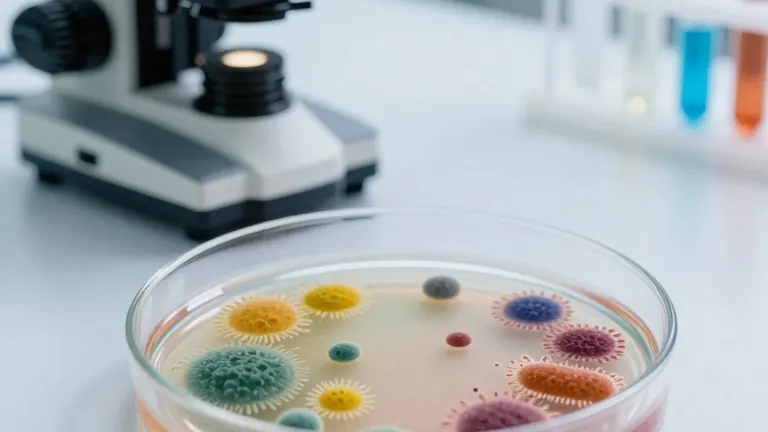
Researchers at The Ohio State University have completed a comprehensive genomic map of the mouse gut microbiome following spinal cord injury. The work identifies specific bacterial shifts that correlate with systemic health issues, including inflammation and muscle wasting.
The team analyzed 333 fecal samples collected over six months from mice with and without spinal cord lesions. This analysis produced 6,635 draft microbial genomes, creating a detailed catalog of the gut ecosystem. The study included both male and female mice, with injuries placed at high or low thoracic levels to test different degrees of neural control disruption.
Phillip Popovich, a professor and chair of neuroscience at Ohio State, led the effort alongside microbiologist Matthew Sullivan. Popovich noted that the spinal cord serves as a major communication line between the brain and the gut, where trillions of microbes interact with immune cells. "When spinal cord function is disrupted, that relationship can change in ways that affect inflammation, infection, nutrition and even the production of molecules needed for normal brain and spinal cord health," Popovich said. The research team included co-senior author Kristina Kigerl, who had previously shown in 2016 that spinal cord injury disrupts the gut microbiome.
The findings were published in two recent articles in NPJ Biofilms and Microbiomes and Communications Biology. In the latter study, researchers observed that the bacterium Lactobacillus johnsonii was consistently depleted after injury. When the team refeeding this specific strain to injured mice, the animals showed lowered inflammation and stabilized weight loss. However, the researchers noted that combination therapies may be required to ensure the reintroduced bacteria remain viable in the altered gut environment.
The other study identified 19 microbial species strongly linked to nitrogen loss in injured male mice. This nitrogen imbalance is associated with muscle wasting in humans. The data showed that gut changes varied by the level of spinal cord injury, the sex of the animal, and the time elapsed since the trauma. Ahmed Zayed, a research scientist in microbiology who co-led the work with Kigerl, emphasized that microbial interactions are complex. "It’s not just a single bug making everything for the host. It’s this intricate interplay between microbes and each other, and microbes and the host," Zayed said.
The dataset also includes information on gut viruses, though their specific roles remain under study. The team adapted machine learning techniques from the Sullivan lab to assemble draft genomes for 80% of the gut microbiome in the mouse strains used. Popovich, who also directs the Belford Center for Spinal Cord Injury, stated that these findings may apply to other neurological conditions such as stroke, Alzheimer’s disease, and ALS. He added that the gut is relatively easy to access and modify, which could lead to practical treatments for a wider range of diseases.
The work was supported by the National Institute of Neurological Disorders and Stroke, the Belford Center for Spinal Cord Injury, the Ray W. Poppleton Research designated endowment, a Craig H. Nielsen Foundation Senior Research award, the U.S. National Science Foundation, and Ohio State’s Center of Microbiome Science. Additional co-authors from Ohio State included Jingjie Du, Garrett Smith, and Jan Schwab.
Source: Ohio State News