Israeli Voters Await Final Count as Netanyahu Bloc Falls Short
Local media projects a 53-48 split in the 120-seat Knesset, leaving the outcome dependent on coalition talks between Jewish and Arab parties.
By Marcus Reed ·

Israeli voters waited through Thursday for final results that confirm neither Benjamin Netanyahu nor his opposition rivals secured a parliamentary majority.
Local media projections indicate the Netanyahu bloc holds 53 seats, while opposition parties command 48 and Arab-led parties hold 19. The count of nearly 500,000 ballots cast by military personnel, diplomats, and prisoners may finalize the numbers later Thursday, though analysts do not expect a drastic shift in the totals.
The primary challenge for the next few weeks involves forming a governing coalition of at least 61 seats in the 120-member Knesset. Gadi Eisenkot, the former military chief and Netanyahu’s main rival, stated on Wednesday that he is open to working with Arab-led parties to achieve this threshold. The Joint List, one of those parties, described the election as a strong showing and said it is prepared for political cooperation.
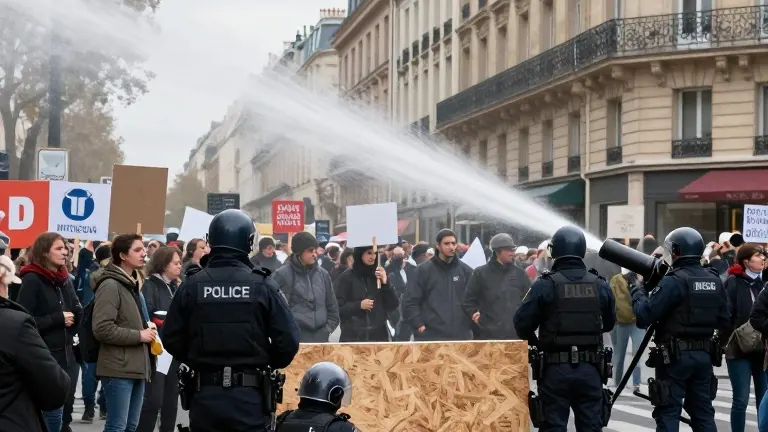
Protests in Tel Aviv and Jerusalem supported the inclusion of Arab parties in a future government. This potential alliance marks a shift, as no Arab party had joined a coalition since 2021. Conversely, Netanyahu’s Likud party, which received the highest vote count, accused Arab parties of stealing the election without providing specific evidence. The electoral committee reported that the number of irregularities in the generally quiet election was low.
President Isaac Herzog will assign a leader to form the government next week. Tradition favors the leader of the largest party, but it is not mandatory. If multiple attempts fail, Israel faces new elections early next year. Both Herzog and Eisenkot have expressed a desire to avoid another vote, which would raise questions about whether Arab citizens and thousands of Israelis who traveled home to vote would return to the polls.
The political landscape in Israel remains divided along lines of religion, ethnicity, and security. Key issues include whether the ultra-Orthodox population should maintain an exemption from military service and how to manage the war in Gaza. Critics have accused Netanyahu, the country’s longest-serving prime minister, of delaying peace deals and hostage releases for political gain while facing corruption charges.
Arab citizens, who make up 20% of the population, expressed cautious hope for representation. Brosli Elias, a resident of Nazaret, said he expected the government to bring rights to his community. External factors also influence the coalition talks, including the threat of new attacks on Iran by the United States after its mid-term elections on November 3. Experts note that Netanyahu may use renewed conflict to push for a unity government led by himself, potentially delaying a public investigation into the security failures of the October 7, 2023, Hamas attack.
Source: La Voz de Houston