Salmon Shortage Fuels Clash in Alaska Senate Race
Industrial trawlers and Indigenous subsistence fishing are at the center of a tight contest between Dan Sullivan and Mary Peltola.
By Sienna Foster ·
The decline of salmon populations in Western Alaska has become the central issue in the state's U.S. Senate race, pitting incumbent Republican Dan Sullivan against Democratic challenger Mary Peltola. Both candidates are using the crisis to appeal to voters in a contest that could determine control of the U.S. Senate in Washington.
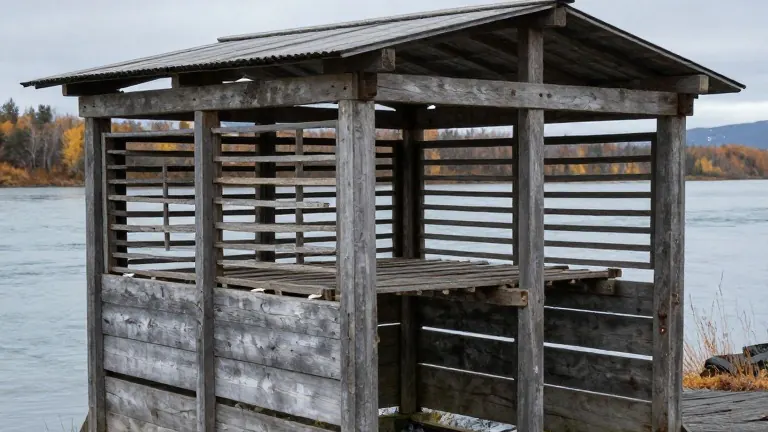
In the village of Kwethluk along the Kuskokwim River, residents report that their drying racks stand empty because too few fish have returned from the Bering Sea. Tribal president Mary Nikolai noted that many local smokehouses went unused all summer, describing the situation as a slow trend of closing out the local workforce. For communities like Kwethluk, subsistence fishing is the primary occupation and a core part of cultural life.
Local fishers blame industrial trawlers, which use nets up to a quarter mile long to harvest pollock. These boats often catch king salmon and other species by accident, a phenomenon known as bycatch. Evon Waska, a resident who fishes to feed his family, stated that government agencies close rivers to local subsistence fishing but do not stop the trawlers operating miles offshore. He described the dynamic by saying, "They don't close the trawlers. They close me and my people first."
The pollock industry is worth approximately $1 billion, with much of its base in Seattle. The white pollock is processed into imitation crab for retail products. Trawlers reported catching 40,000 Alaska salmon so far this year, which industry leaders say is a small fraction of their total harvest. Heather Mann, who leads a trawlers association, argued that eliminating pollock fishing would have a minimal impact on restoring salmon runs, according to available science.
Sullivan has promoted a new bill he calls the most comprehensive bycatch legislation ever introduced to protect seafloor habitat and reduce accidental catches. Peltola, an Indigenous candidate from the Kuskokwim region, criticized Sullivan for accepting over $300,000 from trawlers before proposing a solution. She characterized his recent legislative move as an election year ploy and said she would ban factory trawlers, the largest vessels in the pollock fleet.
Political advertisements in the state have focused heavily on the conflict. One commercial features Sullivan championing his new legislation, while another accuses him of taking large contributions from out-of-state corporate trawlers. A third ad, supporting Peltola, suggests she tells fish tales to secure votes. The race has drawn attention to the tension between industrial fishing interests and the needs of remote Alaskan villages.
Source: WCBE