Exit Polls Show Likud Top Party as Opposition May Outvote Coalition
Benny Gantz-led opposition blocs may claim up to 70 Knesset seats, forcing coalition talks amid record turnout.
By Marcus Reed ·
Exit polls released Tuesday evening in Israel show the Likud party emerged as the largest single political force, despite most pre-election polls predicting a loss for Prime Minister Benjamin Netanyahu. The opposition blocs, led by Benny Gantz, may have secured as many as 70 seats, giving them a majority over the pro-Netanyahu coalition's estimated 50 seats. This result forces a new round of coalition negotiations in the Knesset.
The voting took place three years after the October 7 attacks, an event that many analysts believed would end Netanyahu’s political career. Instead, his party regained the lead position in the preliminary counts. Netanyahu has remained in power through shifting alliances and strategic partnerships that have kept him in office despite shifting public opinion.
Arab voters played a decisive role in the election outcome. Exit polls estimate that Arab Members of Knesset will constitute 14% of the next parliament. Their high turnout suggests they could become the next kingmakers in forming a governing coalition. This demographic shift adds a new layer of complexity to the negotiations between the major parties.
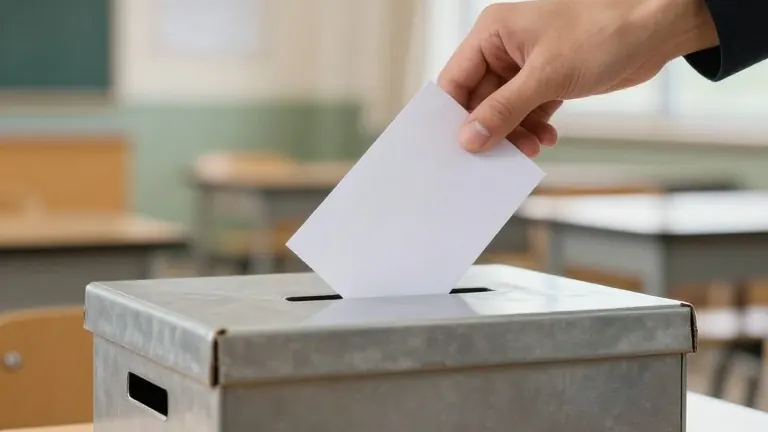
The election day atmosphere in Israel contrasted sharply with the heated rhetoric of the campaign. Families gathered for picnics, schools closed for the day, and voters waited patiently in long lines. The turnout reached 77.7% of eligible voters, who cast paper ballots at polling stations across the country. This high participation rate reflected the civic engagement of the Israeli public three years after the trauma of the October 7 attacks.
Netanyahu’s supporters cited his management of the war in Gaza as a key factor in his survival. They point to the recovery of 168 live hostages and the accounting for every deceased hostage. Critics note that his domestic brand became toxic internationally, yet those same moves helped resurrect his domestic political standing. The war against Hamas, Hezbollah, and Iran is viewed by many Israelis as a just conflict, which bolstered Netanyahu’s position among his base.
The political landscape in Israel remains defined by tribal affiliations that span social, ethnic, and religious lines. These divisions often dictate voting patterns more than policy platforms. Netanyahu has exploited these tribal dynamics to maintain a coalition even when his personal popularity fluctuates. The current election result reflects these deep-seated social divisions as much as it does policy preferences.
The counting of votes must be completed before Shabbat, after which the formal negotiations to form a government will begin. The process is expected to be lengthy and contentious, as the opposition and coalition sides seek to assemble a majority. The outcome of these talks will determine the structure of the next Israeli government and the direction of its policies.
Observers noted the resilience of the Israeli democratic process in the face of ongoing regional conflicts. The calm demeanor of voters on Tuesday stood in stark contrast to the chaos of the political debates leading up to the election. The result underscores the complex nature of Israeli society, where unity and division often coexist in the same political space.
Source: Jewish Link of NJ · original report published
More Politics · Newark news · Report a business · Got a Story?