
Tanzania Ends Ten Year Gas Drought
New wells in Mnazi Bay add 223 billion cubic feet to national reserves.
By Marcus Reed ·
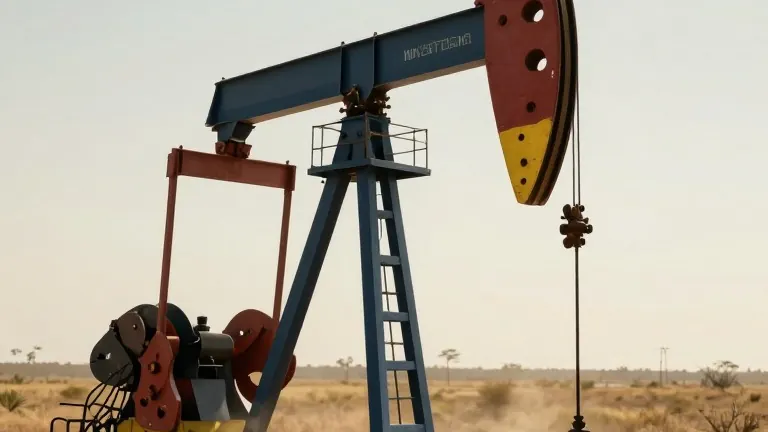
Tanzanian officials gathered at the Kasa-1X ST2 well site to confirm the end of a decade long search for new hydrocarbon deposits. Energy Minister Juma Homera stood before representatives of the Tanzania Petroleum Development Corporation and Maurel & Prom to announce the discovery. The well, located in the Mnazi Bay area of the southern region, marks the first major find for the country since 2016.
The reservoir holds an estimated 223 billion cubic feet of natural gas. That volume equals 6.3 billion cubic meters. While modest compared to the nation's total existing reserves of 57.54 trillion cubic feet, the addition is expected to stabilize domestic supply chains. Production from the new site is scheduled to begin in November 2026.
Homera described the find as a major milestone for the East African nation's energy sector. He noted that rising industrial activity has increased demand for power. The minister stated that the discovery helps ensure reliable and affordable energy for consumers. Government statistics from 2024 show that natural gas generates nearly 80% of the country's electricity.
The government has also pushed for the use of compressed natural gas in transportation. Filling stations and processing plants, mostly located in Dar es Salaam, allow vehicle owners to switch to a cheaper fuel. Many drivers in the capital have converted their cars to dual-fuel systems to take advantage of lower prices compared to petrol.
Tanzania's history with gas dates back to 1974, when crews found deposits on Songo Songo Island in the Lindi region. A second discovery followed in 1982 in the neighboring Mtwara region. Commercial production from these early finds did not start until 2004. That initial output triggered a wave of onshore and offshore exploration, leading to the country's largest single find of 2.7 trillion cubic feet in 2016.
Source: BBC News