Midterm Vote Forces Both Parties to Redefine Themselves After Trump
The 2026 elections mark a turning point as Republicans face internal fractures over Donald Trump's legacy and Democrats clash over leadership and policy direction.
By Sienna Foster ·
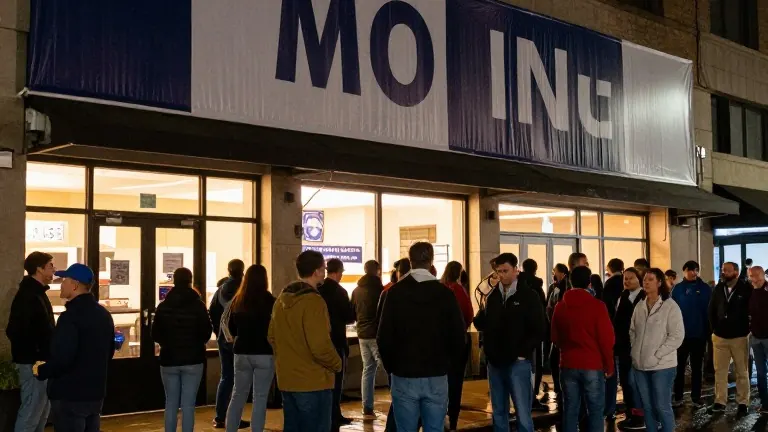
Voters across the nation cast ballots on Tuesday in an election that will determine the immediate future of both major political parties. The results will shape the trajectory of American politics as the Trump era nears its close.
The Republican Party faces a critical test of its cohesion. For a decade, President Donald Trump has served as the primary unifying force, shifting the party toward a populist base that includes working-class voters, Hispanics, African Americans, and young people. This shift moved the GOP away from the traditional conservative values associated with Ronald Reagan. Strategist David Urban noted that Tuesday’s turnout among these groups will reveal the party’s future direction. If these voters stay home due to economic or foreign policy concerns, questions will arise about who will lead the party next.
The 2028 presidential race is already forming around Vice President JD Vance, who is 42 years old. A poor showing for Republicans could hurt his standing. Other potential candidates include Secretary of State Marco Rubio, Texas Senator Ted Cruz, Florida Governor Ron DeSantis, and former New Jersey Governor Chris Christie, who is 64 and considering a comeback. Former Senator John E. Sununu, running for the New Hampshire Senate seat he lost in 2008, described the upcoming departure of Trump as a “tremendous vacuum” that will force the country to decide its next direction.
Democrats anticipate a strong performance but remain divided on their path forward. Establishment leaders are supporting Representative Hakeem Jeffries, who is poised to become the first Black House speaker if his party wins the majority. However, progressive members are demanding more transformative change. They view current leaders, including Senate Democratic Leader Chuck Schumer, as part of the problem.
The influence of the Democratic Socialists of America is expected to grow in the new Congress. Currently, two DSA-backed members serve in the House, but that number is projected to rise to at least seven. This increase is driven by the success of candidates backed by New York Mayor Zohran Mamdani in primary elections. Michigan Senate candidate Abdul El-Sayed, who is not endorsed by the DSA, will also add a vocal left-leaning voice to the chamber.
Maryland Governor Wes Moore, a Democratic presidential prospect facing reelection next week, emphasized the need for urgency. He told The Associated Press that he wants “commonsense leaders that are prepared to disrupt the status quo and know how to move fast in order to get things done.” He added that he does not want a party of “no and slow” but rather one of “yes and now.”
Corbin Trent, a former adviser to Representative Alexandria Ocasio-Cortez, stated that the election represents a rejection of the status quo. He argued that current Democratic leadership has proven incapable of meeting this “transformational moment.” Regardless of the Tuesday results, President Trump will remain in office for two more years and is expected to stay a dominant force in Republican politics.
Source: The Oakland Press