Al-Tiri strike kills reporter Amal Khalil, injures photojournalist Zeinab Faraj
Khalil died approximately one hour after Faraj was rescued from rubble in southern Lebanon, where Israeli forces struck a vehicle carrying four civilians.
By Marcus Reed ·
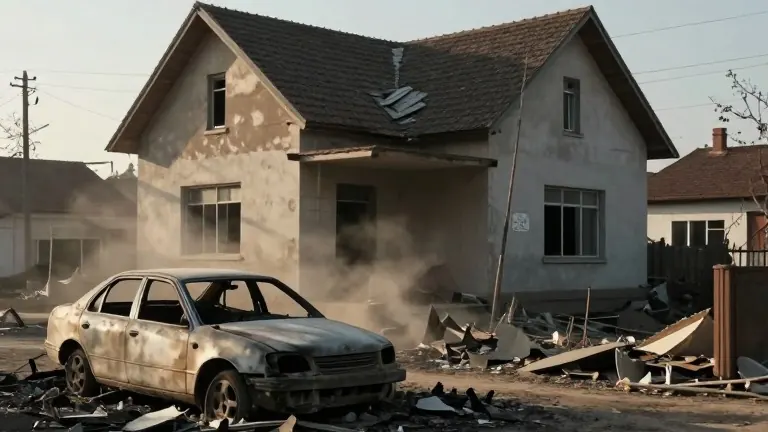
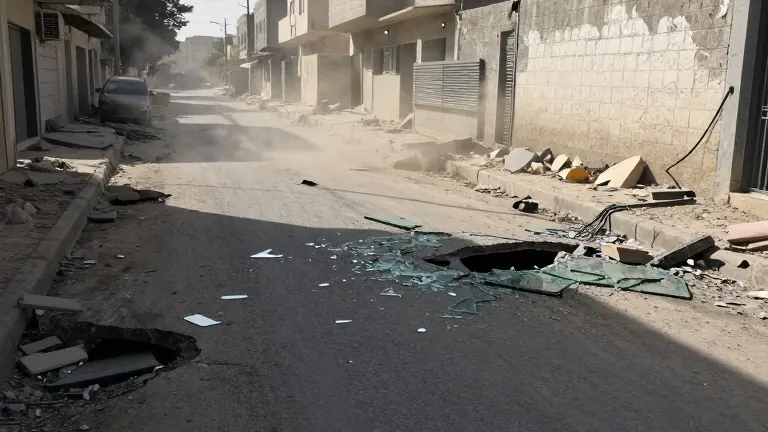
Approximately sixty minutes separated the rescue of photojournalist Zeinab Faraj from the death of veteran reporter Amal Khalil following an Israeli strike in the village of al-Tiri. The attack occurred on the afternoon of April 22, 2026, roughly two weeks after a ceasefire agreement ended a month of intense airstrikes across Lebanon.
Khalil, 42, and Faraj, 21, were documenting the war's aftermath when a missile struck the vehicle ahead of them. That car carried Ali Nabil Bazzi, 27, a municipal official from Bint Jbeil, and Mohammed Hourani, 37, a friend of the local mayor. Bazzi had planned to sign a marriage contract that evening but joined the group after meeting them at Tebnine governmental hospital, a location residents considered relatively safe.
Faraj stated that she did not hear the incoming missile, only Khalil screaming. The impact set the lead vehicle on fire, and both women exited their car. As drones circled overhead, Faraj described the sound as terrifying. Emergency services assured them via phone that help was on the way, but paramedics instructed them to drive back up the road because ambulances could not reach the site.
A second missile struck their vehicle as they attempted to retreat, throwing both women backward. Khalil wrapped her arms around Faraj, hoping the drone would assume they were dead. The women took shelter in a nearby house where Khalil sustained visible injuries to her face, hand, and leg. Faraj sent a message to her sister before her phone died: “There’s no hope left. Forgive me.”
While Khalil remained immobile, Faraj crawled to a vantage point to monitor the road. A drone descended rapidly toward her, prompting her to return inside. A subsequent missile impact collapsed the structure, trapping Faraj under rubble. She recalled hearing a voice she initially mistook for her father, which belonged to a paramedic who reached the scene.
“I told him: ‘Don’t leave me. I’m afraid to stay alone,’” Faraj said. The paramedic held her shoulders while a colleague cleared the debris. As drones returned, the team pulled Faraj free and transported her in an ambulance. She mistook the vehicle's noise for further drone activity during the ride to the hospital.
Khalil died approximately one hour before paramedics were permitted to re-enter the area to rescue Faraj. The Israeli military justified the attack by identifying saboteurs violating the ceasefire, a claim human rights groups labeled a war crime. Military records show they received repeated messages urging them to allow a rescue operation while the journalists sheltered. A week prior, an Israeli military spokesperson had shared a video of Khalil, labeling it “terrorist media.”
Faraj is now preparing to return to her radio and television degree. She continues to struggle with walking and has visible injuries to her hand and face, which affect the movement of one eyebrow. She wakes screaming at night and remains on edge when hearing drones or warplanes. She said she is haunted by the image of Hourani lying on the ground with his eyes open, a sight she said she will never forget.
Source: The Guardian