
UK Retail Inflation Hits 2.1%
The British Retail Consortium reports a sharp spike in shop price inflation, forcing retailers to pass on rising energy and food costs to consumers ahead of the government's first budget.
By Marcus Reed ·
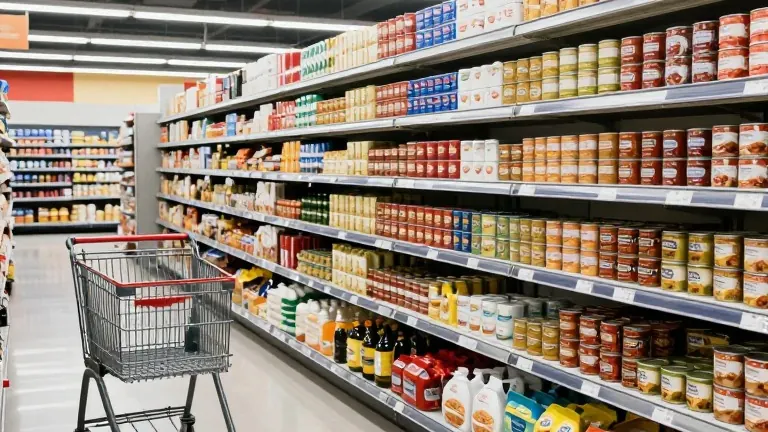
Shop price inflation in the United Kingdom reached 2.1% year on year in October, marking the highest level recorded in two and a half years. This figure represents a steep increase from the 1.4% reported in September, according to the British Retail Consortium.
The jump indicates that major retailers are no longer absorbing the rising costs of energy and food ingredients that have followed the Middle East conflict. Helen Dickinson, the chief executive of the BRC, stated that the dam is starting to break on the huge wave of costs retailers have absorbed over the last two years. Supermarkets previously kept prices stable despite higher raw material costs, but heavy discounting could not prevent price increases on packaged goods.
Food prices specifically rose to 2.9% year on year in October, up from 2.5% in the previous month. This increase adds pressure on Chancellor John Healey ahead of his first budget scheduled for Wednesday. Non-food inflation, which covers categories like clothing and footwear, more than doubled during the same period, climbing from 0.8% to 1.7%.
The surge in retail prices aligns with wider economic trends driven by the conflict that began when the US and Israel attacked Iran in February. Brent crude oil reached $117 a barrel recently, well above the $70 average seen in the months prior to the conflict. Gas prices also rose sharply, contributing to a UK consumer prices index that hit 3.5% last month.
Consumer confidence has declined since summer as it became clear the Middle East conflict would not end quickly. Bank of England officials are expected to raise interest rates next week from 3.75% to 4%. If retail inflation persists, the Bank’s nine-member monetary policy committee may consider further rate hikes in December or the new year.
The rising cost of living is straining low-income households, according to a report by Ruth Patrick, a professor in social and public policy at the University of Glasgow. Her long-term study tracks 100 low-income families and finds that high petrol and diesel prices severely impact those who rely on cars for work and medical transport. In the last month, 73% of project participants shopped in reduced-items aisles, while 63% left heating off even in cold weather.
Petrol prices often exceed £1.75 a litre, and diesel frequently tops £2 a litre, making car ownership a significant financial burden. One respondent from rural Scotland noted that public transport is unreliable, meaning a car is essential for daily life, particularly for families with disabled children. Patrick argues that current government support does not match the scale of the problem and calls for restoring the real value of child benefit.
Source: The Guardian
More Business · Consumer Alerts · Report a business · Got a Story?