Tokyo renters save 30% on units with documented deaths
Ryua pays 45,000 yen monthly for a Setagaya bedsit where a man died by suicide, a price cut that reflects a shifting market for stigmatized properties in Japan.
By Marcus Reed ·
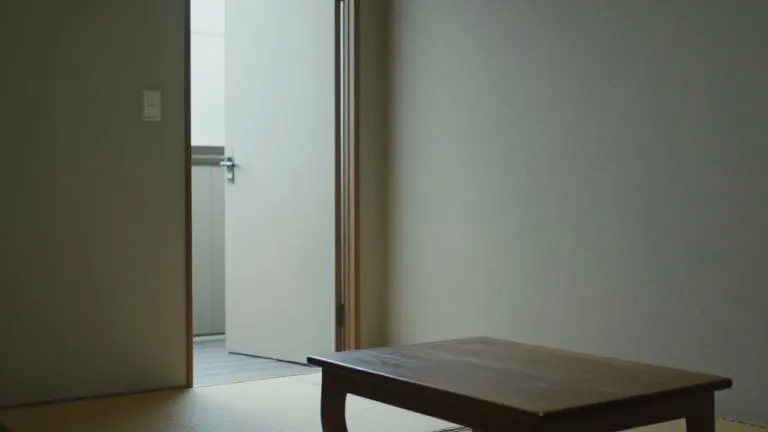
Ryua, a young entertainer who works as an aidoru, walks through the door of her 25-square-meter apartment in Setagaya, Tokyo. She has lived there for four years since a man killed himself in the unit. The death allows her to pay 45,000 yen, or about $285, per month. That is roughly 30% less than the 62,000 yen standard rent for the space.
The discount exists because the property is classified as jiko bukken, a Japanese term for stigmatised dwellings. These are homes where a violent or tragic death occurred, such as a murder, suicide, or a lonely death. Government guidelines issued in 2021 require estate agents to disclose these events. For rentals, the disclosure must happen within three years of the incident. For homes sold on the market, the history must be revealed indefinitely.
Ryua first noticed the presence during a viewing. She described a man standing in the room and glaring at her. Because the estate agent did not see him, she concluded the figure was a yuurei, a lingering spirit. She chose to sign the lease anyway, describing herself as a contrarian who wanted to befriend the ghost. She reports hearing footsteps and the spirit speaking to her daily.
The market for these properties has changed as housing costs rise across Japan. Teru Oshima, founder of Oshimaland, a crowdsourced website launched in 2005 that lists such homes, notes that these units were once unattractive options. A 2025 survey found that more than half of Japanese people would now rent a stigmatised property if the price was low enough. Oshimaland expanded from Tokyo to the rest of Japan in 2011 and internationally later that year.
Erik Oskamp, a Tokyo estate agent, explains that Japanese renters are particularly averse to these homes. He notes that an apartment next to a cemetery is hard to rent, and a suicide makes it worse. Even a jump from a roof can drive tenants away. A lonely death, which often does not affect prices in the UK or US, also stigmatises a property in Japan.
Diane Tincher, a 79-year-old American tour guide who has lived in Japan for nearly 40 years, bought a three-bedroom house in Kagoshima for 20 million yen. Similar homes in that area typically sell for up to 45 million yen. The price drop was due to an elderly woman dying alone in the house. Tincher found the listing on Oshimaland. She does not believe in ghosts but appreciates the affordable and spacious home.
Ryua remains in her Setagaya apartment. She says she respects the spirit because ghosts were once living human beings. She considers the ghost a flatmate and is content with the arrangement.
Source: BBC News
More Business · Consumer Alerts · Report a business · Got a Story?