FTC Orders Nine Firms To Explain Algorithmic Pricing
Regulators are demanding data from Delta, Uber, and others to determine if loyalty status or personal data drives price differences.
By Marcus Reed ·
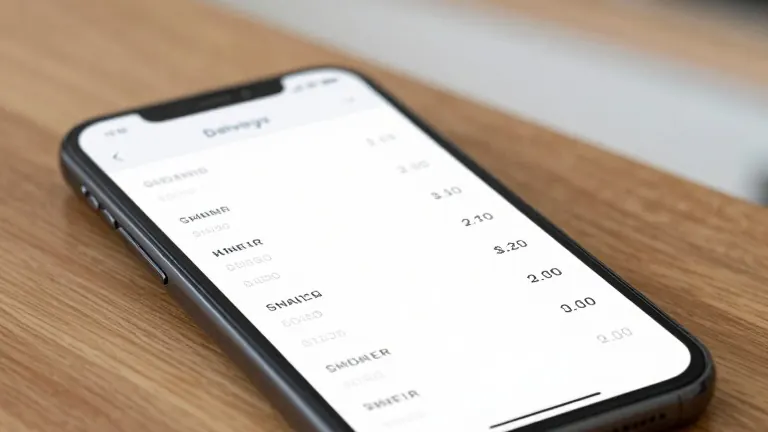
The Federal Trade Commission has issued orders to nine major companies to detail how their software determines customer prices and worker pay. The firms named in the inquiry include Delta, United, JetBlue, Lyft, Uber, DoorDash, Instacart, Target, and Walmart. Each entity must provide records that allow the agency to assess whether identical products or services are priced differently for different people.
FTC Chair Andrew Ferguson stated that the agency intends to examine the
opaque methodology,
some businesses may employ. He noted that these systems determine how much consumers pay and how gig workers are compensated for the same items or services. The agency specifically pointed to factors such as loyalty program participation and the analysis of personal data by what it termed super-intelligence algorithms.
This action follows prior legal actions and investigations alleging that businesses charge varying prices based on purchasing history. Similarly, ride-share and delivery apps have faced scrutiny for adjusting driver fares based on individual records. The current probe arrives while American household budgets continue to feel the pressure of inflation.
Critics argue that shoppers face squeezed margins due to opaque pricing tactics. They cite issues such as surveillance pricing and overcharges at convenience stores and Dollar General. The FTC’s mandate requires the nine companies to submit information that clarifies if a ticket, ride, or food delivery cost fluctuates based on the individual buyer.
The agency’s power over these specific sectors is limited. The FTC polices unfair or deceptive practices in most industries but excludes banking and airlines from certain regulatory tools. Consequently, it cannot impose fines or direct regulations on the three airlines involved in this inquiry. Despite a recent reduction in corporate regulations under the Trump administration, the consumer protection division has partnered with states to pursue legal penalties in some cases.
State legislatures are moving on similar fronts. Several states have proposed laws to ban surveillance pricing and electronic shelf labels that adjust prices based on shopper habits. This new federal probe expands on a July 2024 inquiry initiated under the Biden administration. That earlier effort targeted firms like McKinsey and JPMorgan Chase that sold surveillance pricing tools to consumer-facing businesses.
Rohit Chopra, a former FTC commissioner who now leads California’s Business and Consumer Protection Agency, expressed doubt about the outcome. He observed that past studies rarely produced reports leading to rule-making changes. The FTC found in January 2025 that precise location or browser history is frequently used to target individual consumers with distinct prices for the same goods.
Source: The Guardian
More Business · World news · Consumer Alerts · Report a business · Got a Story?