Elizabeth Holmes' documentary 'You Can See Everything' releases after three-year production
The three-hour film, directed by Nathan Fielder and Lance Oppenheim, documents the weeks before Holmes began her prison term for fraud.
By Sienna Foster ·
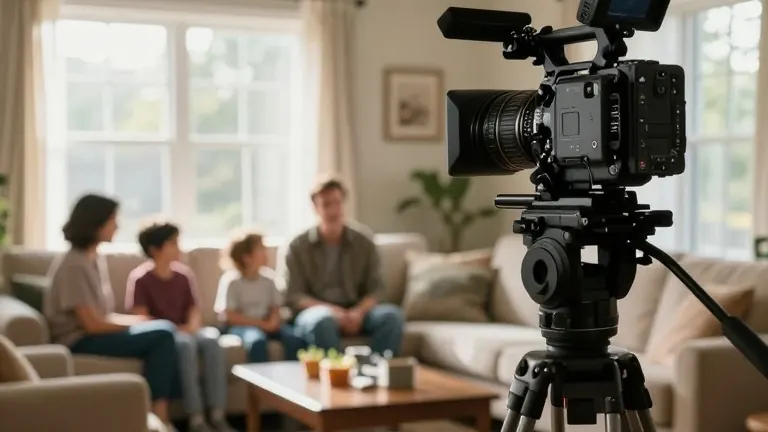
The three-hour documentary 'You Can See Everything' is now playing in theaters. The film follows Elizabeth Holmes, the former chief executive of Theranos, in the weeks leading up to her incarceration. Holmes was convicted in 2022 of defrauding investors after the company’s blood-testing device failed to perform as advertised.
Fielder and Oppenheim filmed Holmes, her husband Billy Evans, and their two children over a period of 34 days. The project began in March 2023 when Holmes contacted the film studio A24 with a proposal to produce the documentary. She stated in the opening scene that she wanted to provide 'radical transparency' to counter previous dramatizations, including the Hulu series 'The Dropout.' Holmes told the camera, 'The world believes a reality about me that isn’t true.'
The two directors connected during the pandemic after Oppenheim emailed Fielder about his work. Their friendship developed through conversations and a visit to the Magic Castle in Hollywood. During a performance, an audience member shouted 'Elizabeth Holmes,' which inspired the concept. Oppenheim mentioned he had heard rumors that Holmes was seeking a documentary partner, and production started a month later.
The project remained confidential for three years until its premiere at the Telluride Film Festival earlier this year. Festival organizer Julie Huntzinger told the audience, 'What happens in Telluride stays in Telluride,' just before the screening. Fielder and Oppenheim then revealed the film to the crowd.
Fielder appears on screen for much of the runtime, acting as both director and participant. The Holmes family initially asked the directors to stay with them, a request Fielder first rejected. He later said in an interview with Wired that the family frequently asked for his opinion during off-camera conversations. He decided to join the on-screen action on the 20th day of filming.
In recent interviews, the directors said they are still processing their experience. Oppenheim described Holmes as a 'real-life human optical illusion' during a Q&A at the Savannah Film Festival. Fielder told Rolling Stone, 'I really am struggling to this day to understand exactly what I experienced. And one of the things I’m genuinely excited about is for this movie to come out and for people to help me understand what I experienced. Truly, to this day, I don’t quite know what I went through.'
The film is currently available in movie theaters for viewers to form their own opinions on Holmes' account of events.
Source: Pittsburgh Tribune-Review
More Business · Consumer Alerts · Report a business · Got a Story?