Before the First Flower, an Event Planner Reads the Room
Liz Sayegh of Bespoke Events NY explains the checks she runs on a venue's entrance, lighting and table space before any décor choices are made.
By Marcus Reed ·
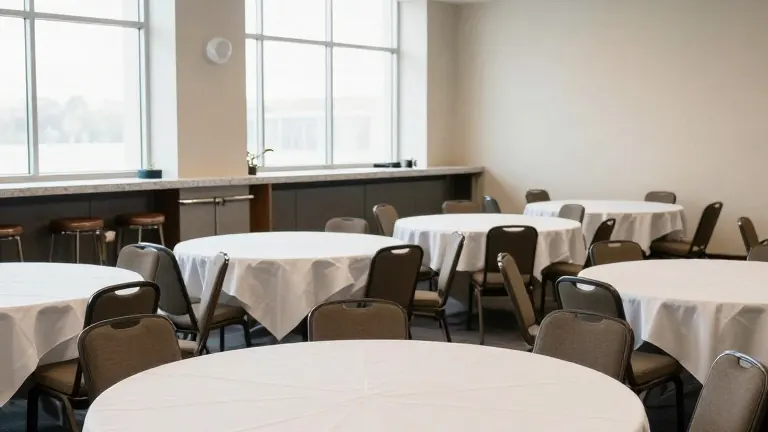
Before Liz Sayegh picks a single flower for a simcha, she walks the empty party room and studies what is already there. The founder of Bespoke Events NY, which serves New York and New Jersey, said the room itself determines the design. "I look at the room itself," she said.
Her first stop is the doorway, the same spot guests will use. What a visitor sees on arrival sets the tone: a dressed table, a bar, or the back of a shelving unit. A single display moved to another wall can change that first impression. Sayegh said the opening view should give guests a welcoming introduction and a clear sense of where to go.
Next she studies the architecture already in place: a marble bar, wood paneling, distinctive windows, an interesting ceiling. Existing colors and materials can suggest a palette, a texture or the shape of an arrangement. Dark wood, for instance, can read softer with pale flowers, delicate details and warm points of light. "Even a strong architectural style leaves room for a different mood," she said.
Sayegh then settles on one focal point, whether the main dining table, a dessert display, a backdrop or a venue feature, before adding anything else. She measures scale against the room: a small display vanishes on a long wall, a deep centerpiece crowds a narrow table, a backdrop built for photographs can overwhelm a compact room. On a long table, a run of smaller arrangements can outlast one isolated centerpiece.
She also maps how guests will move through the space: arriving, greeting hosts, finding a seat, reaching the buffet, leaving. Crowding forms at the bar, near the entrance, and behind open chairs. "Moving a table on paper is much easier than moving it once the room is fully set," she said. Dining tables must hold place settings, glasses and serving pieces while leaving guests room to speak across the table.
Lighting is checked for the hour of the event, not the hour of the visit. Sayegh asks whether overhead lights dim, which areas fall dark, and whether a display needs extra light to show its details. Lamps and votives, where permitted, add warmth across a table, but guests still need enough light to eat. She views every setup from the entrance, the tables and the standing areas, since a display that reads well from the front can expose an unfinished back to half the room.
Recurring colors, shapes or materials tie separate areas together: a ribbon on napkins, packaging on a favor, a detail on the dessert cart. Sayegh also marks where to stop. An ornate wall, a well-designed bar, an open stretch of floor may need nothing added. "Adding another element is easy. Recognizing when the room feels complete takes a little more restraint," she said.
Sayegh advises visiting a venue before major décor decisions: photograph the entrance and several points around the room, ask how the meal will be served, where guests will gather, what the lighting will look like during the celebration. Flowers, linens and custom displays follow those answers. Sayegh can be reached at [email protected], and her work appears on Instagram at @bespokeeventsny.
Source: Jewish Link of NJ · original report published
More Culture · Newark news · Report a business · Got a Story?