New Jersey Health Insurance Premiums Rise Nearly 20 Percent
State regulators announced the increases Thursday, citing higher medical costs and the expiration of federal subsidies.
By Sienna Foster ·
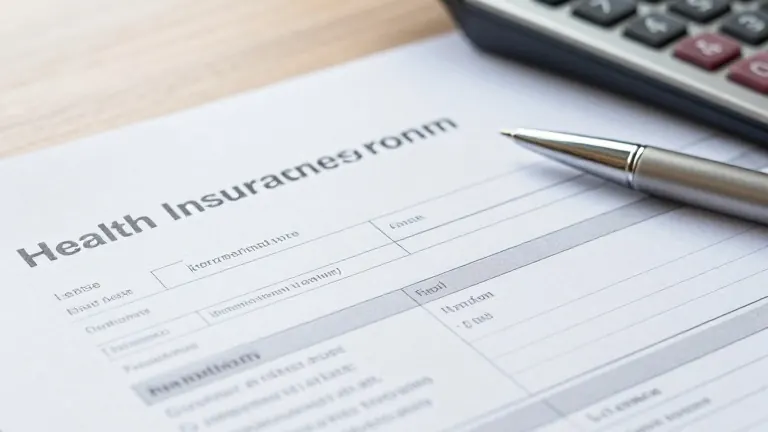
New Jersey residents shopping for health insurance through the state's individual market will face premium increases averaging 19.8 percent for the 2027 coverage year, according to the Department of Banking and Insurance. The announcement, released Thursday, marks the second consecutive year of double-digit rate hikes in the state. This follows a weighted average increase of 15.9 percent implemented in 2026.
The state’s individual market, which includes plans sold through Get Covered New Jersey, saw approximately 454,000 people pay higher costs in 2026. Regulators noted that these figures represent premiums before financial assistance is applied. The final amount a consumer pays will depend on their specific plan, income level, and eligibility for state and federal subsidies.
Officials attributed the price jumps to rising underlying healthcare costs, increased prescription drug prices, and a sicker insured population. Matt McGough, a policy analyst at the nonpartisan KFF organization, stated that hospital systems passing on higher costs and new technologies are primary drivers. Neil Sullivan, a former deputy commissioner of the Department of Banking and Insurance, added that when a risk pool consists of many sick individuals, their heavy use of health services drives premiums up.
The national context worsens the local trend. Enrollment in the Affordable Care Act marketplace dropped from 21.8 million in 2025 to 19.2 million in 2026. This decline occurred after Congress allowed pandemic-era federal tax credits to expire at the end of 2025. Although Democrats in Congress pushed to extend the subsidies during a prolonged government shutdown last year, the effort failed. Republican leaders generally opposed the extension, though New Jersey Representatives Jeff Van Drew and Tom Kean Jr. expressed support for maintaining the subsidies in the fall.
Among the five insurers operating in the state market, UnitedHealthcare will see the largest rate increase at 35.7 percent. The company reported more than $4 billion in profits for the third quarter this week. Other rate hikes include Oscar at 29.3 percent, Ambetter at 20.8 percent, AmeriHealth at 17.0 percent, and Horizon at 15.3 percent. Stacey Pogue, a senior researcher at Georgetown University, noted that insurers frequently cite the expired tax credits in their rate justification documents for 2027.
The open enrollment period for 2027 coverage begins on November 1 and runs through January 31, 2027. As of June, total state enrollment stood at 434,700 people, a figure that reflects a loss of nearly 75,000 members since the last enrollment period. Governor Mikie Sherrill said in a statement that the expiration of federal credits has made coverage less accessible for many New Jersey families.
Experts warn that declining enrollment could create a vicious cycle where fewer people buy insurance, leaving the remaining pool with higher risk and higher premiums. Sullivan described this dynamic as a death spiral. McGough added that the marketplace serves as a safety net for workers who earn too much for Medicaid but are too young for Medicare.
Source: NJ Spotlight News · original report published