Medical Students Urge NJ Residents to Vote
Future physicians argue that civic participation acts as preventative medicine, directly influencing local health outcomes and family stability.
By Sienna Foster ·
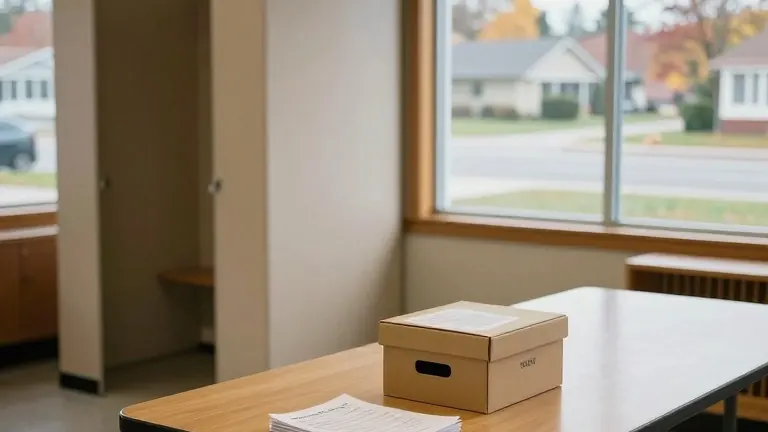
Medical students in New Jersey are urging residents to cast their ballots in this year's election, framing the act of voting as a direct health intervention rather than a purely political choice. Speaking through a collaborative op-ed, the group includes student doctors from the state's medical schools who emphasize that local decisions shape the physical and environmental conditions of their neighborhoods.
The students point to specific legislative measures and local issues that connect civic duty to physical well-being. They cite SCR27, a recently introduced resolution, which proposes that New Jersey oversee public natural resources and guarantee environmental rights to the public. This measure aims to increase local oversight of land and ensure residents have access to clean air and drinking water, factors the students say prevent pulmonary and infectious diseases.
Economic policy also plays a central role in their argument. The group highlights S4531, which was signed into law on June 30, 2026, as P.S. 2026, c. 26. This law expands the child tax credit for families with young children earning less than $80,000 annually. The credit applies to the 2026, 2027, and 2028 tax years. The students note that these funds help offset rising grocery and utility costs, which can otherwise lead to health issues such as hypothermia or improper storage of medication.
Education is the third pillar of their argument. They reference S4413/A5253, a bill that introduces the School-Based Partnerships for Access and Resilience for Kids, or SPARK, pilot program. This initiative establishes behavioral health services for K-12 students in select districts. The students argue that early behavioral health intervention helps adolescents manage the stresses of modern life, allowing them to focus on education and develop into healthy adults.
The students support their claims with data from the Health & Democracy Index and the Healthy People 2030 initiative. These sources indicate that communities with high voter turnout experience lower rates of chronic disease and infant mortality, alongside longer life expectancy and better mental health. They also note that life expectancy in New Jersey can vary by fifteen to twenty years between neighboring zip codes, a gap they believe voting helps address.
The collaboration behind this message was facilitated by Clinicians for Climate Action NJ, Medical Students for a Sustainable Future, and the Medical Society of New Jersey Climate Health Task Force. They acknowledge that voting can be difficult due to recent changes in mail-in ballot procedures and a lack of time off for workers and students. They encourage residents to check their registration and find polling options at vote.nj.gov before Election Day ends.
The group concludes by stating that voting is one of the most underutilized forms of preventative medicine. They urge voters to consider how their choices impact environmental, economic, and educational well-being. By participating in the election, residents help shape the conditions that affect their families and neighborhoods, ensuring that local leaders represent their interests and support policies that protect public health.
Source: NJ Spotlight News · original report published