Trump proposes heavy penalties for US tech firms building AI data centres abroad
The US president outlined a plan to tax and penalize domestic technology companies that construct artificial intelligence infrastructure outside the United States, citing national security concerns and a desire to keep the industry home.
By News Media House Staff ·
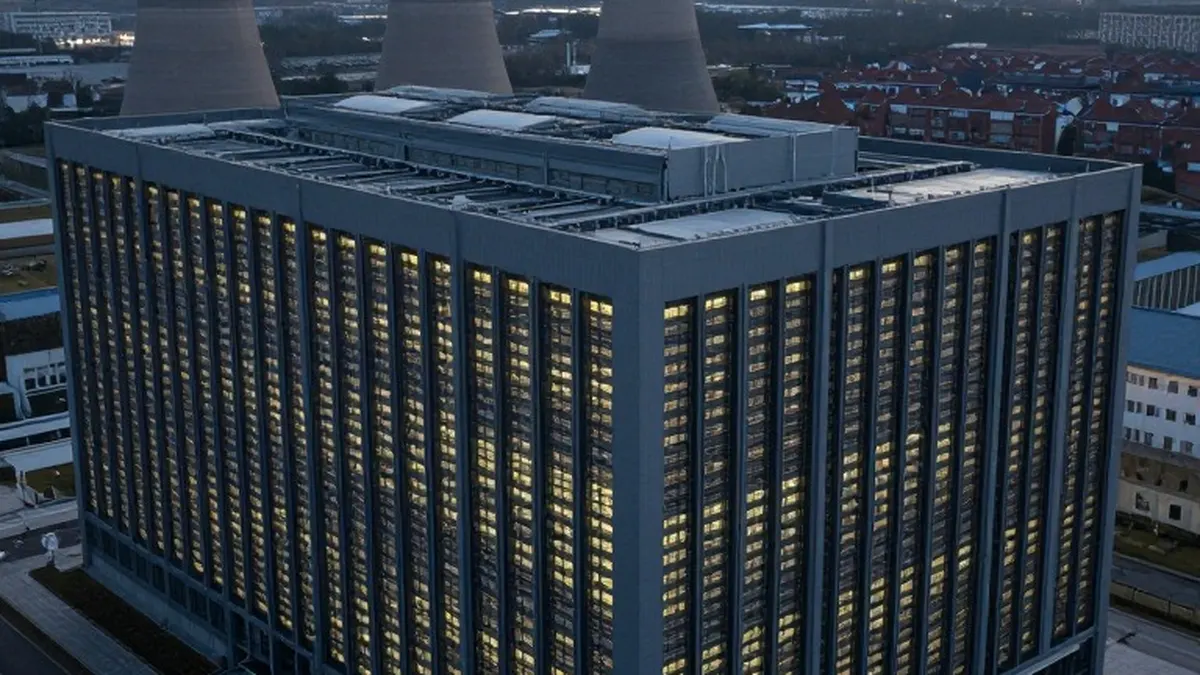
US President Donald Trump announced on Friday that American technology companies building artificial intelligence data centres in foreign countries will face significant financial penalties. Speaking during a White House press briefing, the president described the proposed measure as a tremendous tax designed to prevent the outsourcing of critical digital infrastructure.
Trump argued that allowing data centres to be built overseas would benefit China, which he said would likely take control of these facilities. He stated that the administration intends to impose strong penalties on any company that attempts to move construction projects out of the United States. However, the president admitted that he had not yet briefed his own officials on the plan and had not provided specific details on how the policy would be enforced.
The president also urged local communities across the nation to welcome the construction of these facilities rather than resisting them. He advised residents to extract concessions from developers and ensure they contribute to the local economy. Trump emphasized that the goal is to have these massive server warehouses built domestically, stating that communities should make developers pay for the infrastructure while avoiding efforts to shut them out entirely.
This stance comes as host communities across the United States grow increasingly vocal in their opposition to the large data centres. In response, major technology companies have begun promising to reduce their reliance on taxpayer funds, improve transparency regarding their operations, and provide greater financial benefits to the communities that host their infrastructure.
Legislative efforts are also underway to support the sector. The US Senate approved bipartisan legislation on Thursday aimed at accelerating the permitting process for power plants, transmission lines, and other energy infrastructure. The goal is to meet surging energy demand and help lower electricity prices for consumers.
The proposed legislation includes sweeping changes that would shorten the timeline for starting large energy projects. It also ensures that data centres are responsible for paying for the energy they consume as well as for necessary upgrades to the broader transmission network. The bill is now set to move to the House for further consideration.
Political dynamics have shifted regarding the industry, with rising anger over data centre construction and increasing electricity costs helping to drive a wave of Democratic candidates in the midterm elections. Many of these candidates have pledged to place stricter controls on the energy-intensive facilities. Despite this, Trump praised the Senate bill, predicting it would lead to a substantial amount of new construction.
Analysts expect a tougher regulatory environment for AI giants and data centre developers in the coming period. Even if the president, who has been a champion of the industry, stalls a federal crackdown, the data centres powering the AI boom have become politically sensitive topics that require careful management.
The tech industry appears to be responding to this shifting political landscape. Officials from Google and Meta told The Associated Press that they are working to address community mistrust by increasing transparency in the areas where they intend to build. These companies are also making pledges to reduce their environmental impact and offering assurances that their projects will boost local property values.
Meanwhile, the administration continues to tighten its grip on technology exports. On Monday, new rules were issued to restrict remote access to advanced US computing chips and servers. This move represents the latest step in limiting China's ability to use American hardware to train its most advanced AI models.
Originally published by News Media House