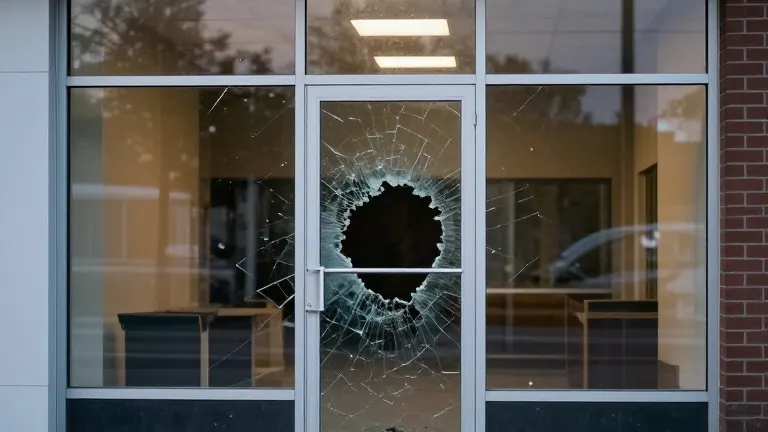
DEA Confirms First U.S. Nitazene Lab Dismantled in Louisiana
Authorities in Baton Rouge have dismantled the first confirmed nitazene synthesis laboratory in the United States, a facility initially mistaken for a fentanyl production site.
By News Media House Staff ·
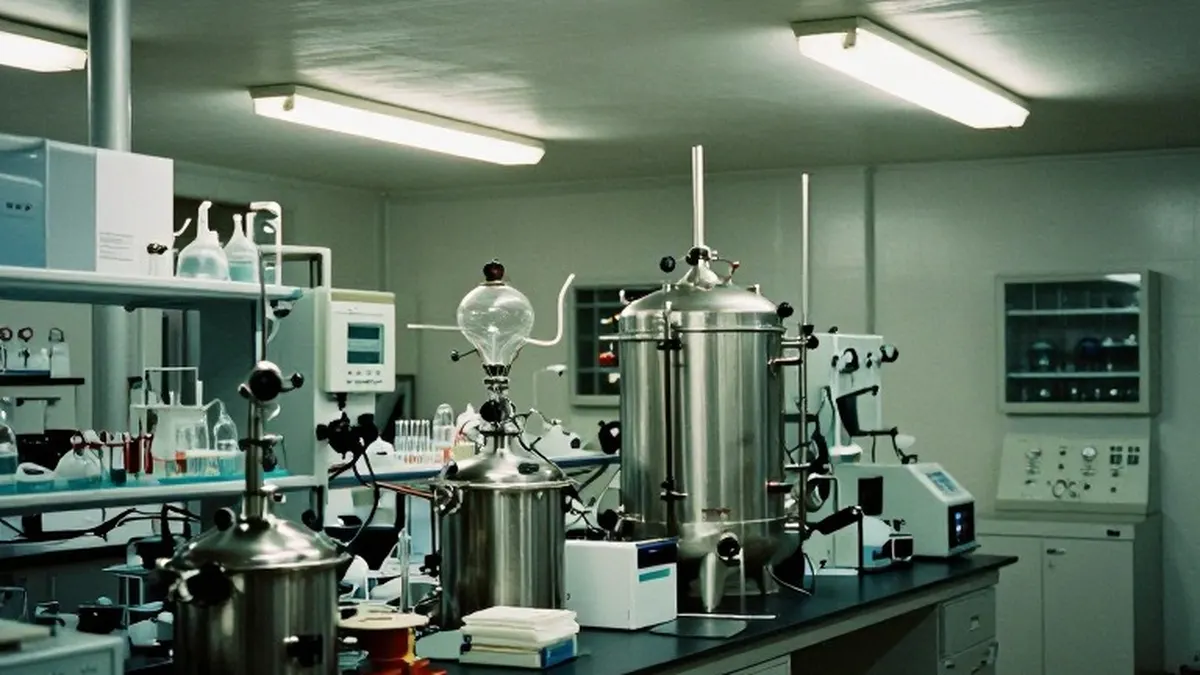
Local and federal law enforcement agencies have successfully dismantled what they identify as the first nitazene synthesis laboratory in the United States. The clandestine facility was discovered earlier this month in Louisiana. While initial assumptions suggested the site was producing fentanyl, forensic testing conducted by the Drug Enforcement Administration confirmed on Wednesday that the lab was actually manufacturing etonitazene.
Etonitazene is a highly potent synthetic opioid that belongs to a class of drugs known as nitazenes. These substances first appeared in the American drug supply around 2019. Health and law enforcement officials note that nitazenes can be up to 80 times more potent than fentanyl, posing a significant risk to consumers who may not be aware of the specific chemical composition of the drugs they are using.
The laboratory was located in the basement of a residential home in Baton Rouge. It operated as part of a broader drug distribution network that had been targeted by the DEA and the East Baton Rouge Sheriff's Office. The operation was the culmination of a three month investigation led primarily by local narcotics agents.
The DEA described the facility as large scale and sophisticated. According to agency officials, the lab contained approximately $250,000 worth of professional grade equipment. Among the items seized were specialized temperature control systems and an industrial evaporator. Investigators also found 58 liters of liquid in the main reactor vessel, which was later chemically confirmed to be etonitazene.
East Baton Rouge Sheriff Sid J. Gautreaux III characterized the discovery as a first for the DEA in the United States. In a public statement, Sheriff Gautreaux emphasized the urgency of the mission, noting that families across communities continue to suffer from the devastating consequences of illegal drugs. He stated that the emergence of substances like nitazenes makes the work of law enforcement even more critical.
Louisiana has emerged as a primary hub for the nitazene threat in the country. Data from the Louisiana State Police Crime Laboratory indicates that more than 80 percent of all etonitazene exhibits seized by the DEA nationwide this year originated in the state. This statistic highlights the region's role in the production and distribution of these emerging synthetic opioids.
Earlier this year, the DEA issued warnings to the public and law enforcement partners regarding the presence of fentanyl mixed with a dangerous array of synthetic substances, including nitazenes. The agency noted that the evolving chemistry in the illegal drug market is making it increasingly difficult to identify the exact potency and composition of narcotics.
The investigation into the Baton Rouge lab is part of a wider national focus on synthetic opioids. The DEA has been monitoring the global pipeline of chemicals that power drug cartels' production and distribution networks. The discovery of this specific laboratory provides valuable insights into the methods used to create these potent compounds.
The case has drawn attention from media investigators as well. Jon Wertheim of 60 Minutes has spent months exploring the new deadly synthetics in the illegal drug supply. His report, titled One Molecule at a Time, includes footage from a DEA raid and a visit to the DEA Special Testing and Research Laboratory. The segment is scheduled to air on Sunday, offering a deeper look at the science behind these drugs.
As authorities continue to analyze the evidence from the Baton Rouge facility, the confirmation of etonitazene production marks a significant milestone in the fight against synthetic opioids. The collaboration between local sheriffs and federal agents underscores the complex nature of modern drug trafficking networks and the need for specialized forensic capabilities to detect and combat these evolving threats.
Originally published by News Media House
More News · National news · Report a business · Got a Story?