Casselton ambulance crews face hour-long waits as volunteer numbers drop
The district sends trucks to Fargo daily, but rising fuel and wage costs are straining its budget while a new federal grant aims to improve crash response.
By Pablo Serrano ·
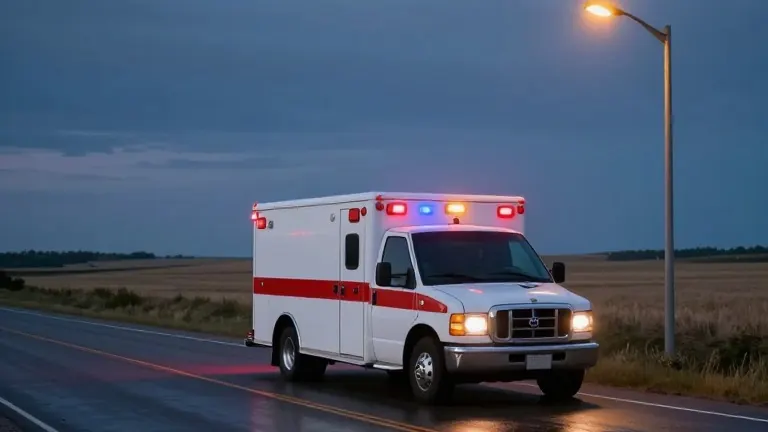
For residents in the Casselton area of North Dakota, the clock starts ticking the moment an emergency call goes out. Joshua Homiston, the EMS Operations Manager for the Casselton Rural Ambulance District, noted that the first few minutes after a cardiac arrest or serious crash often determine survival. In rural areas, the speed at which a crew can leave the station and reach the patient is a critical factor.
The district primarily transports patients to Fargo. Homiston said that 95% of their patients are taken to that city. A truck heads to Fargo one or two times per day. He explained that half of these patients live in Casselton, while the other half live in surrounding country areas or outside of any town.
Drive times increase significantly for those living farther from the city. If a patient is 40 minutes from the hospital, that is the minimum drive time. This does not include the time for the ambulance to reach the patient or the time spent on scene. Homiston stated that for trauma patients in remote locations, the total time can exceed one hour. He emphasized that every second matters in these situations. To reduce travel time, the district uses helicopters from partnering agencies.
The district is currently facing challenges with staffing. Homiston said the number of volunteers has decreased. He attributed this to busy schedules and the high cost of living, noting that people do not always have the time to volunteer. He identified cost as the second major issue for rural EMS. Expenses for fuel, wages, and equipment continue to rise, while insurance reimbursements remain stagnant.
To support the community, the district offers EMT classes, CPR training, and first-aid courses. Homiston said the team is ready to provide any type of training that residents are looking for, whether for professional development or personal knowledge.
The district received $4 million from the U.S. Department of Transportation this fall. This grant comes through the Safe Streets and Roads for All Program. The funds will help the district develop a supplemental safety action plan. It will also improve emergency response coordination, specifically for post-crash care and general crash response.